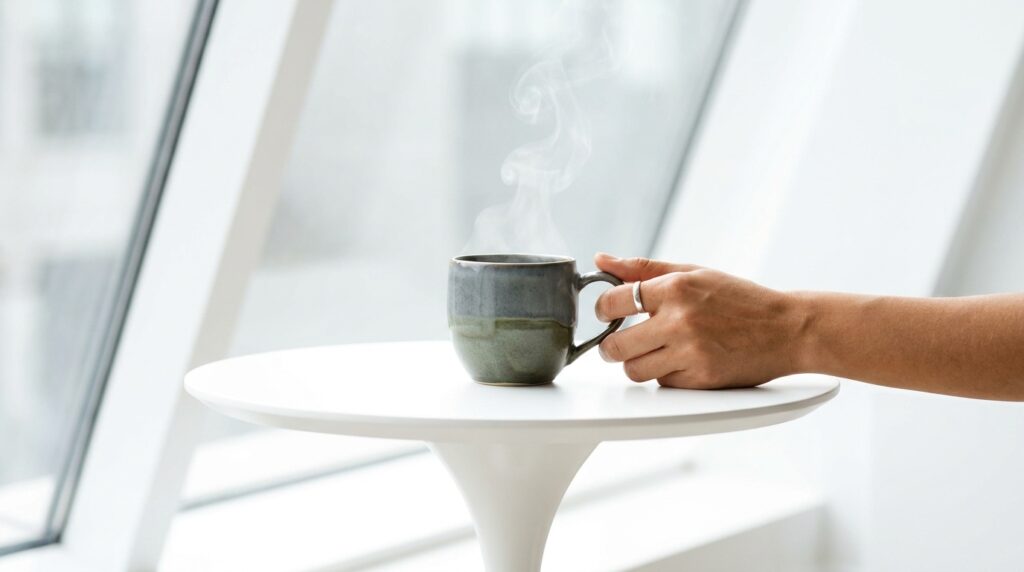
Exploring the profound Buddhist concept of space and how intentional voids create environments for the mind to breathe.
We are often conditioned to view empty space as a problem waiting to be solved. We treat bare walls and open floors as voids that must be filled with objects, art, and furniture. However, Buddhist philosophy offers a radical alternative through the concept of Śūnyatā, or emptiness. It suggests that space itself is not a lack of substance but the primary material of existence. It is the quiet canvas upon which the subtle interplay of light and shadow can finally be appreciated.
When we stop forcing elements into a room, the room begins to breathe. Intentional emptiness creates a visual and tactile quietude that allows the mind to rest. This concept merges traditional Zen principles with brutalist architectural honesty. It is not about living in deprivation. It is about practicing non-attachment and curating a space with only what is essential for the present moment.
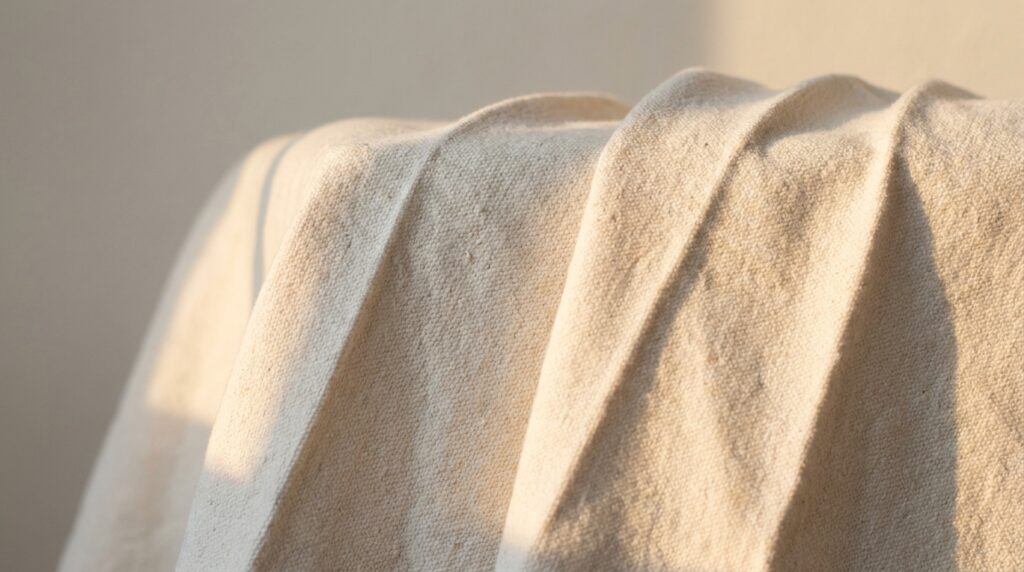
Consider the physical arrangement of our daily environments. When we pull furniture away from the walls and allow it to float, we create a circulation of unhindered energy. We acknowledge the physical boundaries of the room without being tethered to them. The materials chosen to ground these spaces must possess an inherent quietness. Unpolished stone, limewashed plaster, and solid wood do not shout for attention. They invite mindful presence and age gracefully, reminding us of the beautiful truth of impermanence.
"The usefulness of a clay pot comes from its emptiness. The true value of a room is found in the vacant space within it."
The challenge lies entirely in mindful curation. It requires a discerning eye to know when to stop adding and when to begin removing. Every object placed within a space alters its acoustic and visual frequency. We must ask ourselves if an item serves a pure, functional purpose or if it merely contributes to the visual clutter that clouds our focus.
Ultimately, designing for emptiness is designing for awakening. By stripping away the unnecessary, we create environments that foster deep reflection and a profound connection to the now. In these carefully structured spaces, we find the rare and beautiful luxury of simply being.